Mali is unraveling under relentless militant attacks, and Russia’s Africa Corps has pulled out of Kidal—a strategic northern stronghold. The confirmation, though low-key, signals a recalibration of Moscow’s presence in the Sahel. As violence intensifies and local alliances shift, the exit raises urgent questions: Why did Russian forces leave? What does this mean for Mali’s stability? And is Russia scaling back—or just changing tactics?
This isn’t just a troop movement. It’s a pivot in one of Africa’s most volatile theaters.
The Kidal Withdrawal: What We Know
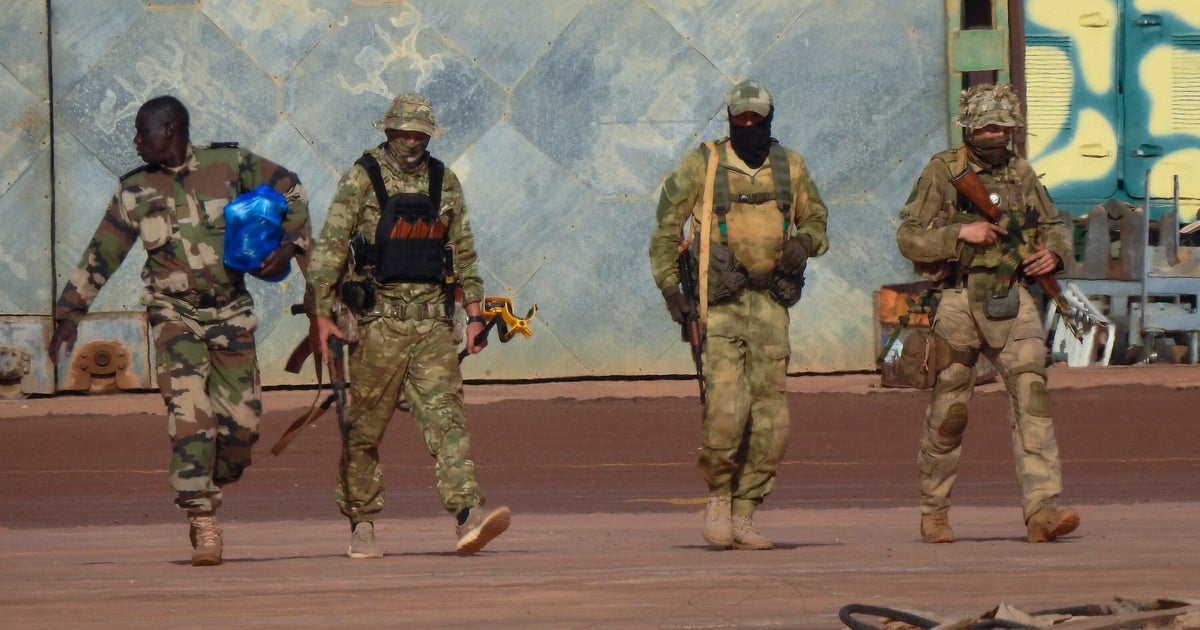
Russia’s Africa Corps—or the formalized successor to the Wagner Group—has confirmed redeployment from Kidal, the arid regional capital in northern Mali. While no official press release emerged, multiple defense sources and regional intelligence briefings corroborate the pullback. Satellite imagery from late 2023 shows reduced activity at the Kidal base, with armored vehicles and personnel convoys moving south toward Gao and Timbuktu.
The withdrawal follows a string of deadly attacks:
- A suicide bombing in Kidal’s military zone in December, killing 12 Malian soldiers
- A coordinated ambush near Tessalit, targeting a joint patrol
- Increased drone activity attributed to jihadist networks
While the Africa Corps never publicly acknowledged its deployment to Kidal, local officials and UN monitoring groups identified Russian personnel operating alongside Malian forces as early as 2022. Their presence was tactical: to stabilize supply lines, conduct counterinsurgency sweeps, and deter Tuareg separatists reorganizing after years of marginalization.
But Kidal’s terrain is unforgiving. Supply routes are long, communication lines fragile, and local sentiment mixed. After the Africa Corps suffered casualties in a roadside IED blast in November, command structures reportedly deemed the cost-benefit ratio unsustainable.
Why Kidal Matters in the Sahel Conflict
Kidal isn’t just another northern town. Historically a stronghold of Tuareg rebellion, it has changed hands repeatedly since Mali’s 2012 crisis. Control of Kidal means influence over vast stretches of the central Sahel—critical smuggling corridors, trans-Saharan trade routes, and access to uranium-rich regions in neighboring Niger.
Its strategic value is threefold:
- Geographic chokepoint – Controls movement between Algeria, Niger, and central Mali
- Symbolic legitimacy – Holding Kidal signals government authority, even if nominal
- Intel hub – High ground allows surveillance of militant movements across the desert
When Russian forces moved in during 2022, they weren’t just backing the Malian junta—they were projecting power. Their withdrawal suggests either tactical retreat or confidence that Malian forces can now hold the line.
But evidence suggests otherwise.
In the six weeks following the pullout, jihadist cells launched seven confirmed attacks in Kidal province—an 80% increase from the prior quarter. This isn’t coincidence. It’s exploitation.
Russia’s Shifting Strategy in Mali Moscow isn’t leaving Mali. It’s repositioning.
The Africa Corps’ departure from Kidal aligns with a broader pattern: consolidation in key urban centers. Gao, Timbuktu, and Mopti now host the bulk of Russian-backed operations. These hubs offer better logistics, stronger alliances with local militias, and proximity to the Niger River—vital for resupply.
What’s driving this shift?
1. Cost of Remote Operations Sustaining a presence in Kidal requires constant airlifts, fuel convoys, and satellite comms. The Africa Corps, despite Wagner-era funding streams, now operates under tighter constraints. Reports suggest private military contractors are being rotated more frequently, reducing long-term commitments.
2. Evolving Threat Landscape Jihadist groups—particularly Jama’at Nusrat al-Islam wal-Muslimin (JNIM) and Islamic State in the Greater Sahara (ISGS)—have adapted. They use low-cost drones, decentralized cells, and ambush tactics ideal for the desert. Russia’s conventional approach struggles against asymmetric warfare.
3. Political Calculus The Malian junta, while allied with Moscow, relies on local ethnic militias for ground control. In Kidal, these alliances are frayed. Tuareg leaders view Russian forces as foreign occupiers, not liberators. Rather than deepen resentment, Russia appears to be ceding space—temporarily.
This isn’t retreat. It’s triage.
Impact on Mali’s Security Forces
The Malian army, already stretched thin, now faces a gap in operational capacity. Russian forces provided more than firepower—they brought reconnaissance, air support coordination, and tactical training. Their absence in Kidal leaves a void no local unit can immediately fill.
Consider this:
- Prior to the withdrawal, joint patrols reduced ambush incidents by 40% in the Kidal-Tessalit corridor
- After the pullout, Malian units reported two drone strikes and three IED attacks in a single week
- Local commanders have requested emergency air support, now backlogged due to limited Russian assets
A Malian officer stationed in Gao, speaking anonymously, noted: “We were never fully independent. When they leave, the enemy knows we’re weaker.”
The junta’s response? A public statement praising “successful stabilization” and “sovereign control.” The reality: reinforcements are being diverted from central Mali, where violence is also rising.
This domino effect illustrates a deeper problem: overreliance on foreign forces with unclear long-term commitment.
Regional Implications of the Pullback
The Kidal withdrawal doesn’t exist in isolation. It’s part of a broader recalibration across the Sahel.
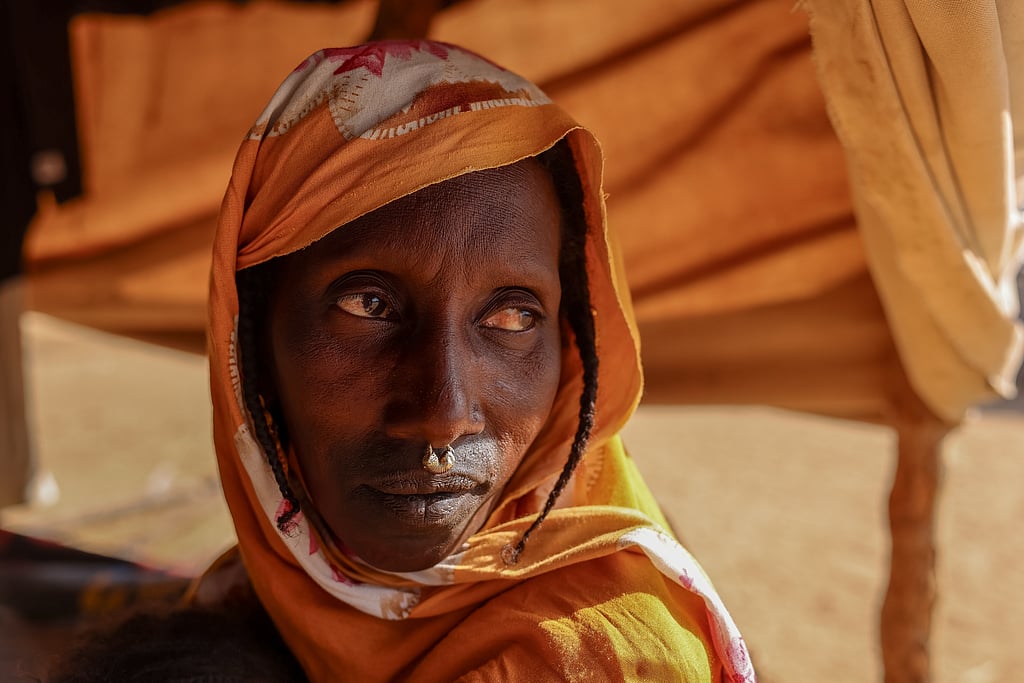
- Niger: Following the 2023 coup, Russian instructors have increased presence in Niamey—but logistical access via Mali is now less secure
- Burkina Faso: Similar alliance with Moscow, but landlocked and dependent on Mali’s stability for supply
- Algeria: Monitoring Kidal closely, concerned about spillover into its southern regions
If jihadist groups exploit the Kidal vacuum to regroup, the ripple effect could destabilize the entire region. Algeria has already increased border patrols, while the UN is reviewing its MINUSMA drawdown timeline.
France, which withdrew its forces in 2022, watches from a distance. Paris had long warned that Russian involvement would create dependency without sustainable security gains. Now, that warning may be proving accurate.
Is Russia Losing Ground—or Playing a Longer Game?
The narrative of Russian decline in Africa is tempting. Wagner’s collapse after Prigozhin’s death. U.S. and EU sanctions. Limited diplomatic recognition. But Moscow’s approach in Mali is less about dominance and more about entrenchment.
Consider:
- Russian diplomats are pushing for expanded UN exemptions to bypass sanctions on arms shipments
- Local media in Mali, now state-controlled, consistently portrays the junta-Russia alliance as victorious
- Economic agreements, particularly in gold mining, continue to advance—ensuring revenue streams regardless of troop locations
The Kidal withdrawal might even be a feint. By ceding a difficult-to-hold town, Russia can redirect forces to defend strategic economic zones—like the gold-rich regions near the Burkina Faso border.
In this view, Kidal isn’t a loss. It’s a concession to preserve greater gains.
What Comes Next for Mali?
The answer depends on three factors:
1. Local Force Capacity Can Malian units maintain control without Russian air support and intel? Not yet. Training programs exist, but attrition and desertion remain high. Without institutional reform, any territorial gains will be fragile.
2. Regional Cooperation The Sahel’s future hinges on coordination. The Alliance of Sahel States (Mali, Niger, Burkina Faso) has pledged joint operations. But without interoperable command systems or shared intelligence, these remain aspirational.
3. Foreign Engagement The U.S. and EU have largely disengaged. The African Union is underfunded. This vacuum allows Russia to operate with minimal competition—but also means no counterbalance when things go wrong.
Mali’s path forward demands more than mercenaries. It needs governance, economic opportunity, and inclusive security. Without these, no force—Russian or otherwise—can provide lasting stability.
Conclusion: A Tactical Pause, Not an Exit
Russia’s Africa Corps may have left Kidal, but its campaign in Mali isn’t over. The withdrawal reflects a shift toward efficiency, not defeat. By consolidating in urban centers and protecting economic interests, Moscow is playing a longer, more calculated game.
For Mali, the challenge is clearer than ever: build self-sustaining security or remain trapped in cycles of dependency and violence.
The next phase won’t be defined by troop movements—but by whether Malian institutions can finally hold ground on their own.
FAQ
Why did Russia’s Africa Corps leave Kidal? Due to high operational costs, persistent attacks, and strategic reconsideration of remote deployments, Russia redeployed forces to more logistically viable areas like Gao and Timbuktu.
Are Russian mercenaries still active in Mali? Yes. While withdrawn from Kidal, Russian-backed forces remain active in central and southern Mali, supporting counterinsurgency and training Malian troops.
Who is attacking Mali’s forces in the north? Primarily jihadist coalitions like JNIM (linked to al-Qaeda) and ISGS (Islamic State affiliate), using guerrilla tactics and IEDs.
Did the Malian army request the Russian withdrawal? No evidence suggests a formal request. The decision appears unilateral, driven by Russia’s operational assessment.
Could Kidal fall to insurgents now? It’s possible. With reduced air support and intel, Malian forces struggle to maintain control, making resurgence likely.
Is this a sign of Russia losing influence in Africa? Not necessarily. Russia is adapting—not retreating—by focusing on strategic hubs and economic leverage over territorial presence.
What’s the risk to regional stability? High. A security vacuum in Kidal could enable militant regrouping, threatening Niger, Algeria, and Burkina Faso.
FAQ
What should you look for in Mali Attacks: Russia’s Africa Corps Leaves Kidal Amid Escalation? Focus on relevance, practical value, and how well the solution matches real user intent.
Is Mali Attacks: Russia’s Africa Corps Leaves Kidal Amid Escalation suitable for beginners? That depends on the workflow, but a clear step-by-step approach usually makes it easier to start.
How do you compare options around Mali Attacks: Russia’s Africa Corps Leaves Kidal Amid Escalation? Compare features, trust signals, limitations, pricing, and ease of implementation.
What mistakes should you avoid? Avoid generic choices, weak validation, and decisions based only on marketing claims.
What is the next best step? Shortlist the most relevant options, validate them quickly, and refine from real-world results.