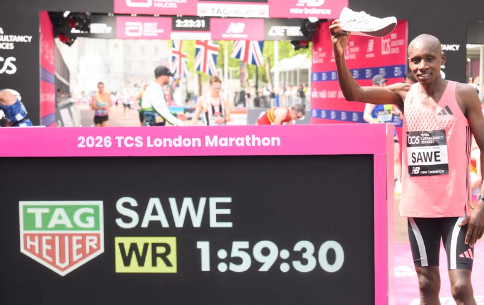
When Eliud Kipchoge crossed the finish line in Vienna in 2019, the world focused on the time—1:59:40. But beneath his feet was the real revolution: a shoe so absurdly light it weighed less than a bar of soap. That moment wasn’t just a triumph of endurance; it was the culmination of a decade-long arms race in performance footwear. The shoes worn to shatter marathon records aren’t just tools—they’re technological breakthroughs engineered to cheat fatigue, amplify efficiency, and push runners beyond what was once deemed humanly possible.
The Weight That Changed Everything
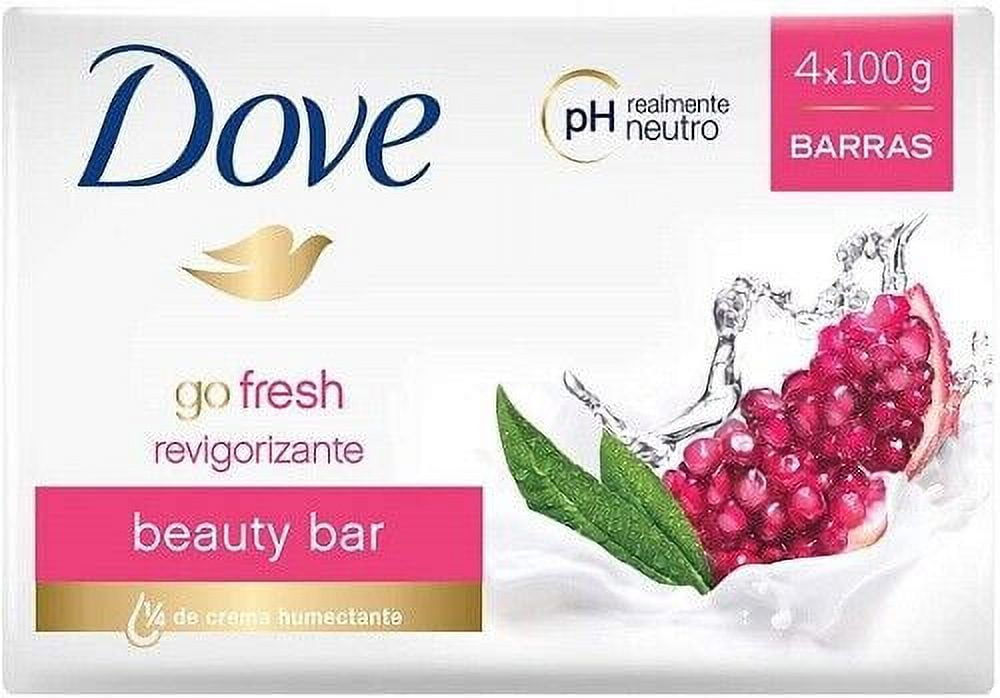
A standard bar of soap weighs roughly 100 grams. For most of running history, marathon shoes hovered between 250 and 300 grams per pair—bulky by today’s standards. But in the last five years, elite marathon footwear has undergone a radical transformation. The latest generation of race-day shoes now weigh less than 200 grams total—meaning each shoe is under 100 grams, lighter than that same bar of soap.
This isn’t just about shedding ounces. It’s about redefining energy return, propulsion, and aerodynamics. The Nike Alphafly NEXT%, worn by Kipchoge and countless sub-2:05 elites, is the most famous example. But it’s not alone. Brands like Adidas, ASICS, and New Balance have followed with their own versions—each leveraging carbon fiber plates, ultra-light foams, and precision geometry to create footwear that does more than support: it assists.
#### Why Weight Matters More Than You Think
Runners cover roughly 40,000 steps in a marathon. Every step, your foot lifts off the ground, fighting gravity. The heavier the shoe, studies show, the more energy expended. A 2016 study published in Sports Medicine found that for every 100 grams added per shoe, running economy decreases by about 1%. That means a 300-gram shoe could cost a runner over 3% more energy than a 100-gram version over 26.2 miles.
Now scale that across 40,000 steps.
Lightweight doesn’t just mean comfort—it translates directly to speed. The lighter the shoe, the less metabolic cost. Less cost means fresher legs at mile 20, sharper turnover at mile 22, and the ability to sustain race pace when others fade.
How These Shoes Work: Science, Not Sorcery
The record-shattering shoes aren’t magic. They’re engineered systems combining three core innovations:
- Ultra-Light Midsole Foam
- Companies use proprietary foams like Nike’s ZoomX, Adidas’ Lightstrike Pro, and New Balance’s FuelCell. These materials are up to 30% lighter than traditional EVA foam while offering superior energy return—some claim as high as 85%. ZoomX, based on Pebax resin, is so responsive it feels spring-loaded.
- Carbon Fiber Plates
- Embedded like a spring in the midsole, these rigid plates act as levers. They reduce foot muscle load by guiding the foot through a more efficient gait cycle—pushing the runner forward with less effort. Think of it as a built-in propulsion system.
- Strategic Geometry and Stack Height
- Modern race shoes feature exaggerated heel-to-toe drop and thick, cushioned midsoles (stack height). This design stores and releases energy more effectively during toe-off. It also improves stability on impact, reducing deceleration with each stride.
Together, these elements create a shoe that’s not just light—it’s active. It returns energy, reduces fatigue, and alters biomechanics in ways that add up over 42 kilometers.
#### Real-World Impact: From Eliud to the Age-Graded Elite
Kipchoge’s sub-two-hour marathon was a controlled experiment. But the shoes have since filtered into real races. In the 2022 Berlin Marathon, 85% of the top 100 finishers wore some version of a carbon-plated, ultra-light race shoe. The same trend holds for Boston, Chicago, and London.
But it’s not just elites. A masters runner in their 40s wearing the Saucony Endorphin Pro 3 (198 grams) might gain a 2–3% improvement in race time compared to older models. For a 3:30 marathoner, that’s over four minutes saved—without training harder.
Controversy: Are These Shoes “Technological Doping”?
Not everyone celebrates the rise of the soap-bar-light marathon shoe. Critics argue they create an uneven playing field. The best models cost $250+ and are often in limited supply. Athletes without sponsorships can’t access them. Some coaches say they encourage reliance on gear over grit.
In 2020, World Athletics responded by capping sole thickness (40mm for road shoes) and restricting the number of embedded plates. But the rules still allow shoes like the Alphafly, as long as they’re available to the public.
The debate misses a deeper truth: innovation has always shaped sport. The transition from leather spikes to nylon shoes, from cinder tracks to synthetic surfaces—each leap changed outcomes. Today’s shoes are simply the latest evolution.
Still, runners should be aware: these shoes aren’t for everyone. They’re designed for elite paces and optimal biomechanics. Wearing them without the supporting strength can increase injury risk, especially in the Achilles and calves.
The Leading Shoes That Defy Weight and Record Time
Below are five elite-level marathon shoes that are lighter than a bar of soap—each engineered to maximize speed and efficiency:
| Shoe Model | Weight (Men’s US 9) | Key Technology | Best For |
|---|---|---|---|
| Nike Alphafly NEXT% | 188 grams | ZoomX foam, dual carbon plates, Zoom Air pods | Sub-2:15 marathoners |
| Adidas Adizero Adios Pro 3 | 193 grams | Lightstrike Pro foam, 3D Energy Rods | High-mileage racers |
| New Balance FuelCell SC Elite v3 | 196 grams | FuelCell foam, carbon plate, engineered mesh | Speed-focused runners |
| Saucony Endorphin Pro 4 | 198 grams | Pwrrun PB foam, carbon plate, nylon upper | Marathon to half-marathon |
| ASICS MetaSpeed Sky+ | 200 grams | FF Turbo foam, carbon plate, rear-engine geometry | Heel-strikers seeking lift |
Each of these models costs between $220 and $275 and is built for one purpose: to make you faster. But they’re not daily trainers. Most are best reserved for race day and key speed sessions.
When Lighter Isn’t Better: Practical Limitations
Despite the hype, ultra-light race shoes come with trade-offs:
- Durability: Most last 100–150 miles. The soft foams break down quickly under heavy use.
- Stability: Minimal weight often means minimal structure. Runners with overpronation may need more support.
- Fit Sensitivity: The narrow, aggressive fit works for some but not all foot shapes.
- Cost: At over $200, they’re an investment. For casual runners, gains may not justify expense.
Use them wisely. Rotate them with training shoes. Don’t race your first marathon in them without testing them in long runs.
How to Use
These Shoes Without Breaking Down
Elite shoes enhance performance—but only if used correctly. Here’s how to integrate them into your training:
- Test Early, Not Late
- Introduce race shoes in tempo runs and long runs 6–8 weeks before race day. Never wear them for the first time on race morning.
- Pair With Strength Work
- The carbon plate reduces calf and foot muscle engagement. Compensate with eccentric heel drops and plyometrics to avoid strain.
- Respect the Stack Height
- These shoes raise your center of gravity. Practice balance drills and single-leg stability work.
- Fuel the Performance
- Lightweight shoes won’t fix poor pacing or nutrition. Train the body to use the tool, not rely on it.
- Know When to Retire Them
- When the foam feels dead or the plate loses stiffness, retire the shoes. Performance drops fast after 120 miles.
The Future: Beyond the Bar of Soap
If today’s shoes are lighter than soap, what’s next? Prototypes are already testing under 150 grams total. Some brands experiment with 3D-printed lattice midsoles, bio-based foams, and adaptive plates that stiffen based on pace.
But the next frontier may not be weight—it’s accessibility. As manufacturing improves, these technologies are trickling into $130–$160 models like the Nike ZoomX Invincible Run or Saucony Endorphin Speed 3. The performance gap between elite and recreational runners is narrowing—not just from training, but from gear.
Final Word: Tools, Not Talismans
The shoes that shattered marathon records aren’t magic. They’re the result of obsessive engineering, biomechanical research, and relentless pursuit of efficiency. Being lighter than a bar of soap is more than a gimmick—it’s a symbol of how far performance footwear has come.
But no shoe can replace training, resilience, or race-day execution. Use them as tools: precisely calibrated instruments that amplify what you’ve already built. When the starting gun fires, and you step forward, let the shoes take some of the load. But remember—the record isn’t broken by the sole. It’s broken by the soul.
Train smart. Race sharper. And let your feet carry you further than you thought possible.
FAQ
Are shoes lighter than a bar of soap durable enough for a full marathon? Yes—but they’re designed for peak performance, not longevity. Most last 100–150 miles, making them ideal for race day and key workouts.
Can amateur runners benefit from record-breaking marathon shoes? Absolutely. Recreational runners often see 2–4% improvements in race times due to better energy return and reduced fatigue.
Why are carbon fiber plates used in these shoes? They act as rigid levers that reduce muscle effort, improve running economy, and enhance propulsion during toe-off.
Do lighter shoes increase injury risk? They can, especially for runners lacking strength or experience. The reduced weight and high stack height may stress Achilles and calves if not conditioned properly.
Are these shoes allowed in official races? Yes, as long as they comply with World Athletics rules—maximum 40mm sole thickness and available commercially.
How do I know if a lightweight race shoe fits me? Test them on short runs first. Look for snug heel lock, toe room, and no pressure points. Fit is critical—many elite shoes run narrow.
Can I train in these shoes every day? Not recommended. They’re optimized for speed, not mileage. Use them for tempo runs, intervals, and race day—pair with durable trainers for daily use.
FAQ
What should you look for in Lighter Than a Bar of Soap: The Shoes That Broke Marathon Records? Focus on relevance, practical value, and how well the solution matches real user intent.
Is Lighter Than a Bar of Soap: The Shoes That Broke Marathon Records suitable for beginners? That depends on the workflow, but a clear step-by-step approach usually makes it easier to start.
How do you compare options around Lighter Than a Bar of Soap: The Shoes That Broke Marathon Records? Compare features, trust signals, limitations, pricing, and ease of implementation.
What mistakes should you avoid? Avoid generic choices, weak validation, and decisions based only on marketing claims.
What is the next best step? Shortlist the most relevant options, validate them quickly, and refine from real-world results.