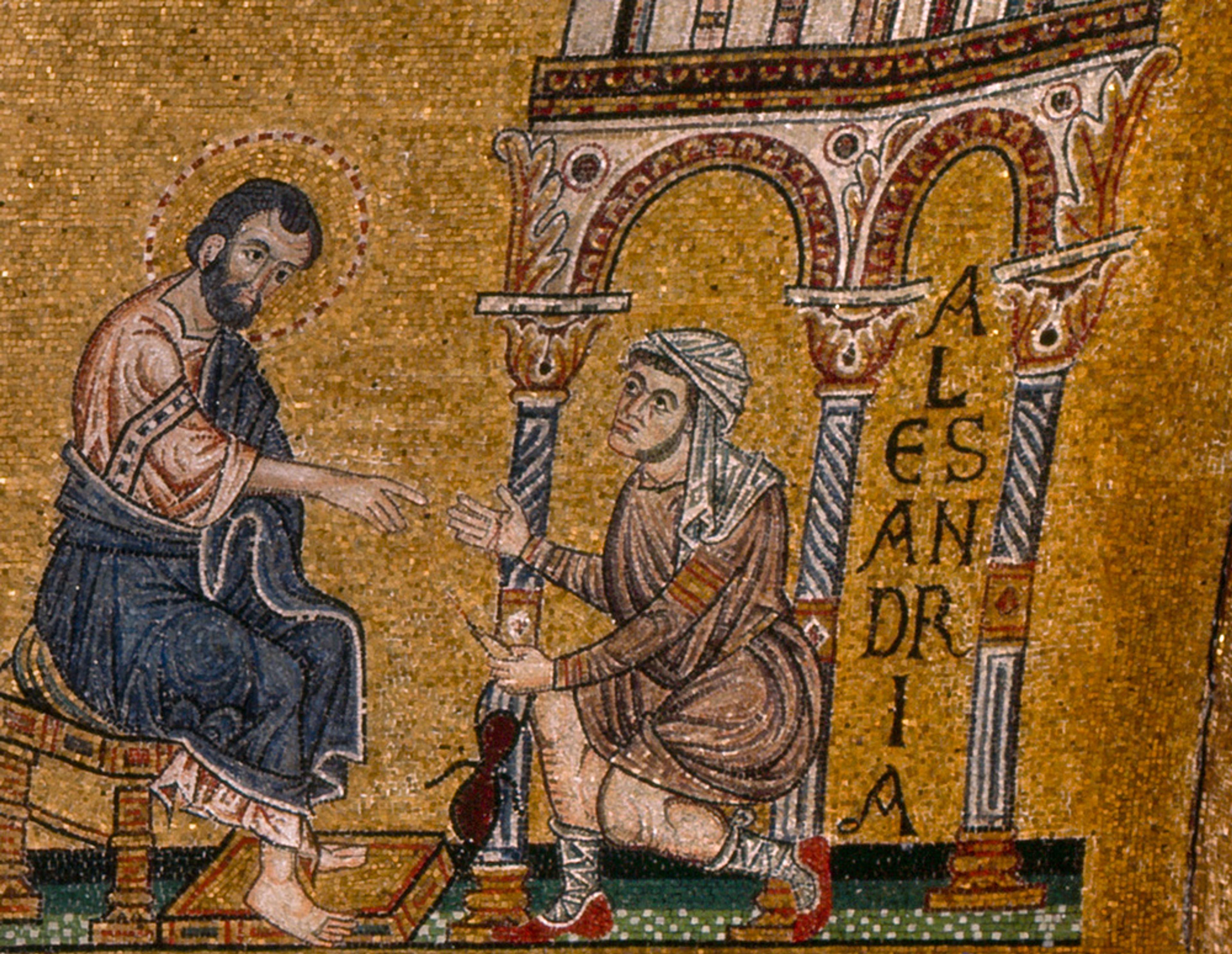
The body in medieval art was never just anatomy. It was a battleground of belief, a canvas for doctrine, and a political instrument. Every elongated limb, every haloed head, every wound carved into a saint’s side carried theological weight and social consequence. Far from passive decoration, these images were tools—meant to instruct, intimidate, inspire, and consolidate power.
To understand medieval art is to recognize that the human form, rendered in stone, paint, or manuscript, was never neutral. It was a site where theology and politics merged, often violently, always deliberately. From emaciated Christ figures to regal kings crowned by divine light, the body became proof of the invisible: grace, sin, authority, and salvation.
The Theological Body: Flesh as Divine Message
In the medieval worldview, the physical body was inseparable from the spiritual. This wasn’t metaphor—it was doctrine. The Incarnation, the belief that God became flesh in Jesus Christ, elevated the human form to sacred status. Art became the primary medium through which this mystery was communicated to a largely illiterate populace.
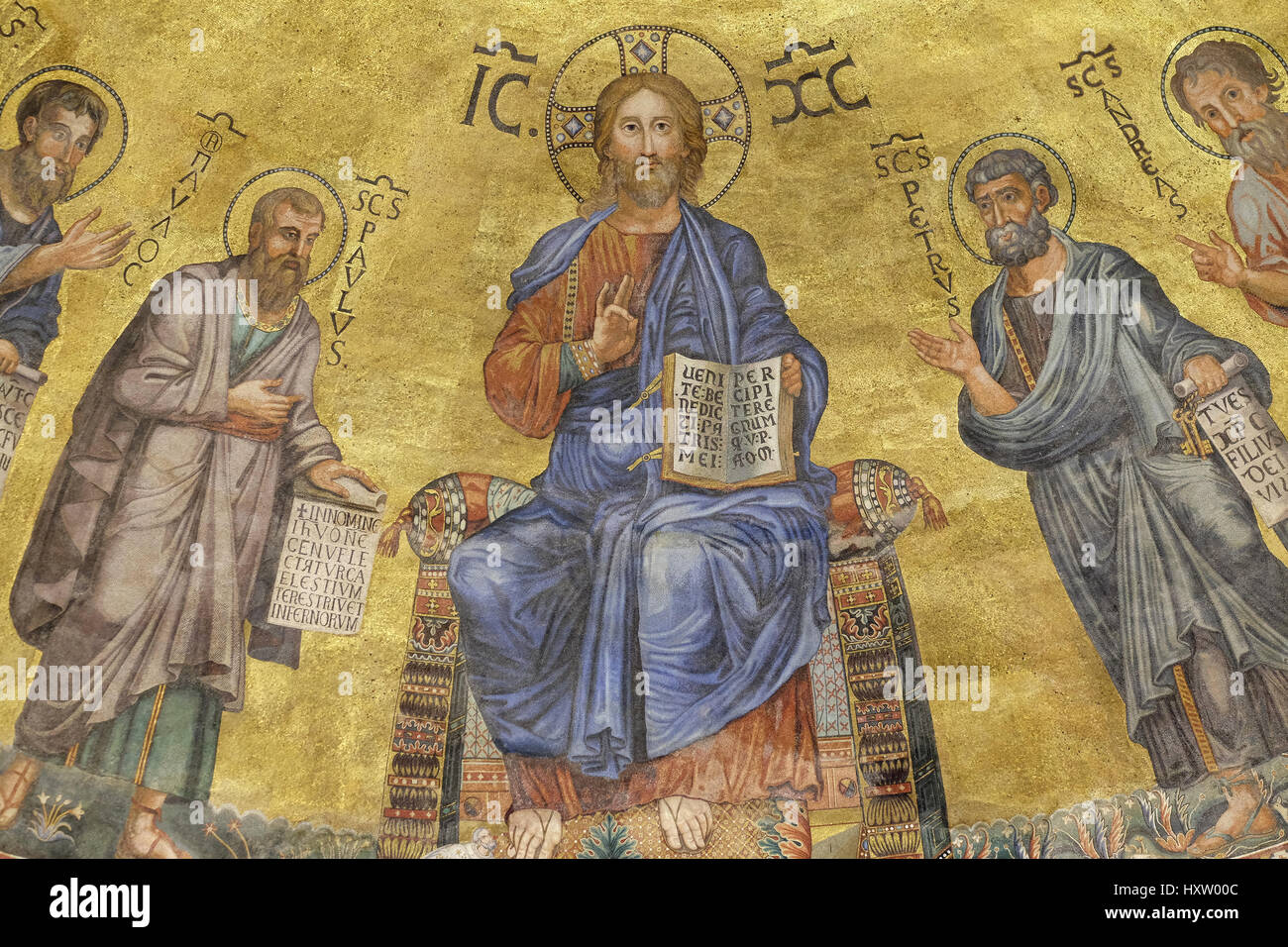
Consider the crucifix. Early medieval depictions often show Christ alive, eyes open, body upright—emphasizing triumph over death. This Christus triumphans (triumphant Christ) was not a corpse but a divine king asserting victory. By the 12th century, however, the image shifted. Artists began showing a suffering Christ—pale, emaciated, crowned with thorns, ribs visible, blood flowing. This Christus patiens (suffering Christ) reflected a theological turn toward empathy and personal devotion.
Why the shift? Because theology changed. The writings of mystics like Bernard of Clairvaux emphasized Christ’s humanity, urging believers to meditate on his pain. Art followed. A 13th-century French crucifix from the Abbey of Saint-Denis doesn’t just depict death—it forces the viewer to confront it. The sag of the abdomen, the bent knees, the drooping head—each detail is calibrated to evoke pity and piety.
But this wasn’t just about emotional engagement. It was doctrinal control. The Church used these images to teach that salvation came through Christ’s bodily sacrifice. The body on the cross became a visual catechism.
Saints’ Bodies: Miracles, Martyrdom, and Memory
If Christ’s body was the ultimate theological symbol, saints’ bodies were its extensions. Sainthood in the Middle Ages was confirmed not by moral philosophy but by physical proof—specifically, miracles and relics. And art played a critical role in authenticating both.
Take Saint Agnes, often depicted in illuminated manuscripts with a lamb at her side—a pun on her name (agnus = lamb in Latin) and a symbol of purity. But her body tells another story. According to legend, she was martyred as a virgin, her throat slit. In many images, she’s shown unharmed, clothed in white, untouched by violence. Why? Because her physical integrity symbolized spiritual inviolability.
Contrast this with Saint Lawrence, shown roasting on a gridiron. His body is in agony, but his face is serene. The pain is graphic, but the message is clear: faith conquers flesh. These depictions weren’t just illustrative—they were devotional tools. Pilgrims visiting churches housing relics of these saints would see their images and be reminded of the miracles attributed to them.
Relics—bones, hair, fragments of clothing—were often displayed in elaborate reliquaries shaped like the body parts they contained. A gold-and-enamel arm reliquary didn’t just hold a saint’s bone—it performed theology. It turned absence into presence, making the divine physically accessible. The body, even in fragment, became a portal to the sacred.
Royal Bodies: Power Embodied and Legitimized
While saints’ bodies linked heaven and earth, royal bodies linked divine will and earthly rule. Kingship in the Middle Ages was not merely political—it was sacramental. The coronation was a religious rite, and the monarch’s body was considered semi-sacred.
This is evident in the Coronation of the Virgin scenes, which often mirror real coronation ceremonies. But it’s even clearer in royal portraiture. Look at the Utrecht Psalter or the Coronation Portrait of Charlemagne. These aren’t realistic depictions. They’re ideological statements. The king is shown larger than attendants, centered, often holding a globe or orb—symbols of universal dominion. His body is rigid, symmetrical, idealized.
Why? Because the king’s body wasn’t just his own. It represented the realm. In times of crisis—plague, war, rebellion—the king’s physical health was believed to reflect the health of the nation. Art reinforced this. A weakened ruler was rarely shown as frail. Instead, he was depicted in the act of ruling: receiving homage, distributing justice, or praying before an altar.
In Byzantine art, this concept reached its peak. The emperor was often shown being crowned directly by Christ, as in the mosaics at San Vitale in Ravenna. Here, the body of the ruler becomes a political-theological hybrid: chosen, sanctified, and accountable only to God.
Gender, Flesh, and Control
The medieval body in art was also deeply gendered—and policed. Women’s bodies, in particular, were sites of theological anxiety. They could represent purity (the Virgin Mary) or peril (Eve, Bathsheba).
Mary is the ultimate example of controlled femininity. In countless frescoes and altarpieces, she is shown veiled, modest, often seated with hands clasped. Her body is present but contained—her holiness measured by her restraint. The Annunciation scenes emphasize her acceptance (fiat) over physicality. Even in the Nativity, she is often depicted lying down, passive, while angels or shepherds take center stage.
Meanwhile, Eve is shown nude, often smaller, reaching for the apple under the serpent’s gaze. Her body is active, desiring—dangerous. This duality wasn’t accidental. It reflected Church teachings that women were both necessary for salvation (through Mary) and a source of original sin (through Eve).
This control extended to real women. Female mystics like Hildegard of Bingen were tolerated only because they framed their visions in bodily suffering—visions, stigmata, fasting. Their spiritual authority had to be earned through physical discipline. Art memorialized this: Hildegard is often shown receiving visions while seated, hand to brow, body still—a contrast to the wild ecstasy of later mystics.
Disability and the Body Divine
One of the most misunderstood aspects of medieval bodily representation is disability. Modern viewers often assume that physical deformity was stigmatized in art. But the reality is more complex.
In many cases, disability was not erased—it was theologically significant. Think of the blind man healed by Christ, or the paralytic lowered through the roof. These figures weren’t marginalized in art; they were central. Their bodies were narrative devices—proof of divine power.
A 12th-century stained-glass window at Chartres Cathedral shows Christ healing a man with a withered hand. The deformity is clearly rendered, not hidden. But the focus isn’t on the disability—it’s on the transformation. The moment of healing becomes a visual sermon: God restores what is broken.

Yet there’s a darker side. Lepers, for example, were often shown in art as outcasts, their bodies rotting, excluded from cities. But even here, the body served a theological purpose. Their suffering was seen as penitential, a living image of purgatory. Some saints, like Saint Lazarus, were associated with leprosy—transforming the stigmatized body into one of compassion.
The medieval Church didn’t ignore disability. It interpreted it—through theology, through art.
The Artist’s Role: Craft as Consecration
It’s easy to treat medieval artists as anonymous hands executing Church commands. But their work was deeply intentional. Every proportion, every gesture, every color carried meaning.
Gold leaf wasn’t just decorative—it represented divine light. Blue, made from costly lapis lazuli, was reserved for Mary’s mantle, signaling her heavenly status. The elongation of figures in Byzantine mosaics wasn’t poor anatomy—it was symbolic. Longer bodies reached toward the spiritual realm; smaller feet grounded them to earth.
Artists followed strict iconographic programs—visual rules dictated by theology. But within those constraints, they exercised skill and insight. A well-placed hand, a subtle shift in gaze, could alter the entire meaning of a scene.
And they knew their audience. In a world where most people would never read scripture, the church wall was the Bible. The artist wasn’t just a painter—he was a theologian with a brush.
The Legacy of the Medieval Body in Art
Today, we may see medieval art as primitive or rigid. But its power lies in its precision. Every body was a statement. Every wound, every crown, every gesture was designed to shape belief and behavior.
Modern political imagery still borrows from this playbook. Think of presidential portraits—composed, dignified, often bathed in symbolic light. Or protest art showing bodies in pain, demanding justice. The medieval fusion of body, theology, and politics never really left us.
The difference? We now question who controls the image. In the Middle Ages, that power rested almost exclusively with the Church and monarchy. Today, the body in art can be subversive, personal, defiant.
But the lesson remains: representation is never neutral. To depict a body is to assign meaning. The medieval artists knew this. They didn’t just paint saints and kings—they built worlds where flesh carried the weight of eternity.
5 Common Mistakes When Interpreting Medieval Bodily Imagery
- Assuming realism was the goal – Medieval artists weren’t failing to draw accurate bodies; they were using symbolic forms to convey spiritual truths.
- Ignoring cultural context – A naked Eve isn’t about sexuality in the modern sense; she’s a theological symbol of disobedience and the fall.
- Overlooking political subtext – A king’s portrait isn’t just a likeness—it’s a claim to divine right and authority.
- Misreading suffering as mere decoration – Christ’s wounds aren’t just artistic details; they’re central to doctrines of atonement and redemption.
- Treating artists as mere copyists – They worked within strict traditions, but their choices in composition, color, and gesture shaped spiritual experience.
Final Insight: See the Body as a Language
To engage with medieval art is to learn a visual language where the body speaks doctrine, asserts power, and negotiates salvation. Don’t just look at the surface. Ask: Why is this body shaped this way? Who benefits from this image? What belief is being enforced? The answers reveal not just art, but the soul of an era. Study these images not as relics—but as living arguments carved in stone, painted in gold, and written in flesh.
FAQ
What should you look for in How Medieval Art Turned the Body Into Sacred Power? Focus on relevance, practical value, and how well the solution matches real user intent.
Is How Medieval Art Turned the Body Into Sacred Power suitable for beginners? That depends on the workflow, but a clear step-by-step approach usually makes it easier to start.
How do you compare options around How Medieval Art Turned the Body Into Sacred Power? Compare features, trust signals, limitations, pricing, and ease of implementation.
What mistakes should you avoid? Avoid generic choices, weak validation, and decisions based only on marketing claims.
What is the next best step? Shortlist the most relevant options, validate them quickly, and refine from real-world results.